Reviewed · WHALE WATCHING & ORCA SAFARIS
Skjervøy: Whale Watching with RIB Boat and Local Guide
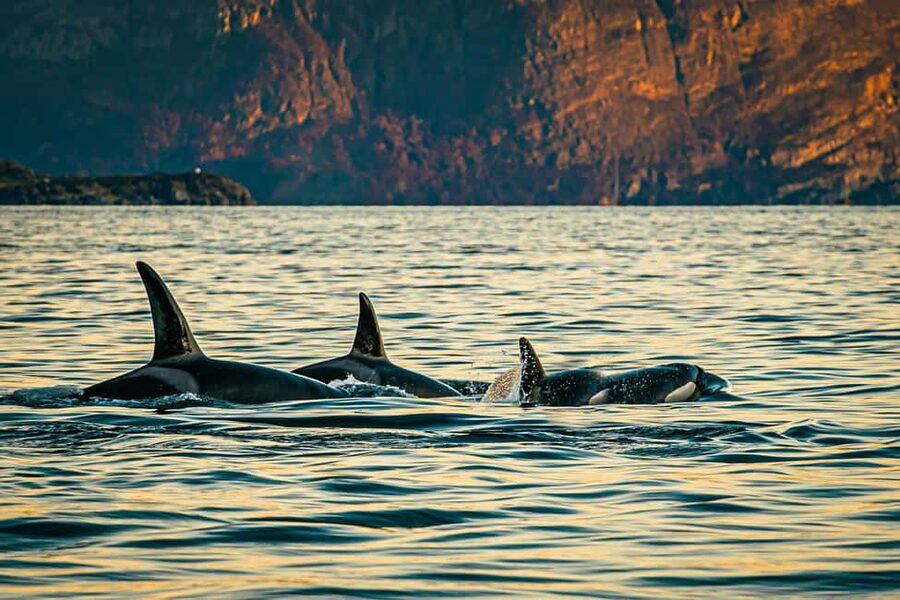
Skjervøy whale watching is one of those Arctic trips that feels fast, physical, and totally real. You’re out on a powerful RIB boat, pushing offshore from Skjervøy, with a local guide scanning for killer whales and humpbacks.
I really like the way the guide explains what you’re seeing, from the social behavior of killer whales to the sounds and habits that make humpbacks so recognizable. I also like that you’re not left freezing, because you get warm outerwear, life jackets, hats, termo shoes, and goggles for the ride.
A heads-up though: this is winter ocean time. If the sea is rough, the boat ride can feel intense, and you still need to dress carefully, especially with cold hands and neck warmth in mind.
Key Highlights You Should Know Before You Go
- Close encounter style of spotting from a small RIB, not a long, slow cruise
- Local guide Viktor (English or Norwegian) with quick whale-finding skills and calm control
- Killer whales and humpbacks are the core targets, with chances for extra surprises
- Warm gear provided, plus a hot drink back at base
- 3 hours on the water outside Skjervøy, usually in the middle of October through February
- Dress for spray and cold, including camera protection if you bring one
Skjervøy RIB Whale Watching: The Real Arctic “Search and See” Experience
This trip is interesting because it’s not just a sightseeing drive. It’s a focused whale search on open Arctic water, with a fast boat and a guide who actively reads the sea and wildlife cues. You trade lazy cruising for sharp action, then you get the reward: giant animals close enough that you notice details, not just shapes.
The biggest practical win is the boat type. A RIB is nimble. That means the guide can maneuver when whales change direction, and you can keep eyes on them without waiting forever. The second big win is the guide’s commentary. You’re not only looking, you’re learning what you’re seeing, why the whales are behaving that way, and what makes each species different.
The tour runs seasonally, from mid-October to February, which matters because the Arctic ocean changes fast. If you’re planning a winter trip, this is the kind of activity that actually uses the cold and daylight conditions instead of just enduring them.
More whale and orca boats, in season from Skjervøy:
- Tromsø: Whale Watching Tour by Hybrid-Electric Boat
★ 4.5 · 4,217 reviews - Tromsø Whale Safari with MS Gabriele
★ 4.3 · 1,937 reviews - From Tromsø: All-Inclusive Whale & Orca Safari
★ 4.5 · 1,221 reviews
Getting There: Strandveien 96 and the Harbor Meeting Point
Your day starts back at Strandveien 96. You meet at the harbor at the backside of the old white building, down the street from Ekstra (grocery store). If you like your directions exact, the coordinates are 70.0294876, 20.9680901.
Timing is important here. You’ll want to arrive with enough buffer to find the right side of the harbor building and get sorted before everyone heads to the boat. In winter, waiting around can feel longer than you expect, so treat meeting time like it’s a real appointment.
If you’re coming from Tromsø, the simplest option you can plan ahead is the Arctic Route bus between Tromsø and Skjervøy, which runs daily. You can book your bus ticket in advance here:
One more practical note: since this is a small harbor setup, you’ll be outdoors. Even with provided gear later, it helps to wear a base layer on the way in, so you’re not starting the day already chilled.
Your Arctic Kit on the Base: What You Get and What You Still Need
Before you head out, the team sets you up with winter protection. You get:
- warm outerwear
- life jackets
- hats
- termo shoes
- goggles
This matters because RIB trips can turn into a spray party. Cold wind hits hard when you’re moving, and seawater mist can surprise you. Goggles are a big help for keeping visibility clear and your eyes comfortable.
Still, you should dress like you’re going to be cold, because the ocean is not warm water in a friendly pool. The tour provides heavy protection, but comfort comes from layering well. One review also pointed out a key detail: gloves and a neck cover can make or break your comfort. If your hands or neck start freezing, you won’t enjoy the whales as much.
If you bring a camera, protect it. One useful tip from past participants: put it in a plastic bag to shield it from spray.
The 3-Hour Outline: How the Day Feels From Start to Finish
The schedule is straightforward on paper:
1) Start at Strandveien 96
2) Whale watching outside Skjervøy for 3 hours
3) Return to Strandveien 96
In practice, the 3 hours is built around finding whales, keeping a respectful distance, and letting you see multiple moments rather than one quick glance. The guide actively searches, then the focus shifts to staying with the whales when conditions allow.
You’ll likely spend time riding out, scanning, repositioning. When whales are found, the pace changes. That’s when you hear the commentary ramp up. The guide points out behavior cues, so you understand what’s going on, not just what’s passing by.
A nice end-of-trip touch is that you return to base with warmth. Past experiences included hot chocolate and cookies, which is exactly what your body wants after salt air and cold wind.
More boat trips from Tromsø:
- Tromsø’s Top-Rated Fjord & Fishing Cruise – All-Inclusive
★ 4.7 · 4,017 reviews - Tromsø: Arctic Fjord Cruise With Stop On Land At Fish Racks
★ 4.5 · 2,268 reviews - Tromsø: Evening Aurora Cruise (dinner optional)
★ 4.4 · 1,570 reviews - Tromsø: Arctic Fjord Cruise in Polar Landscapes
★ 4.7 · 1,442 reviews
Killer Whales (Orcas): Whistling, Team Hunting, and Close Encounters
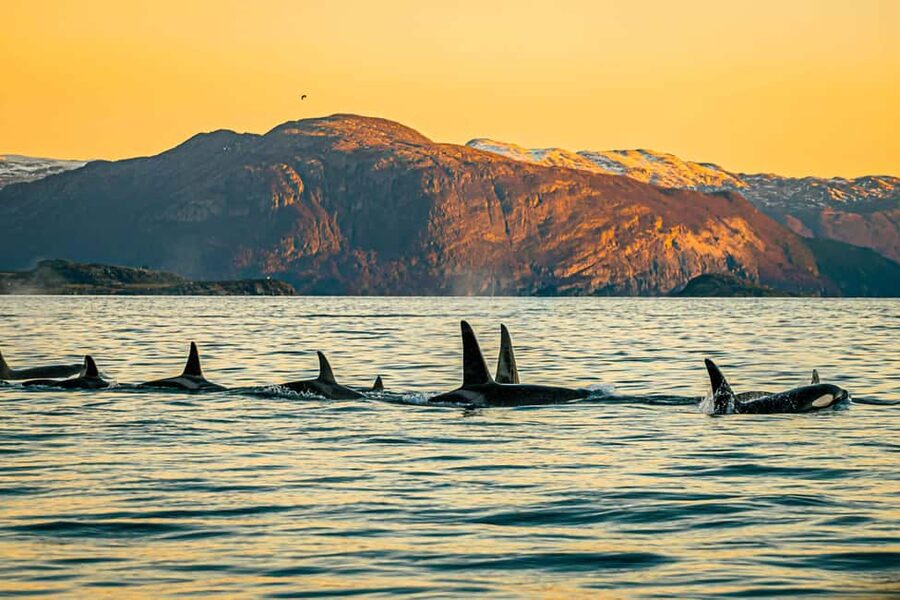
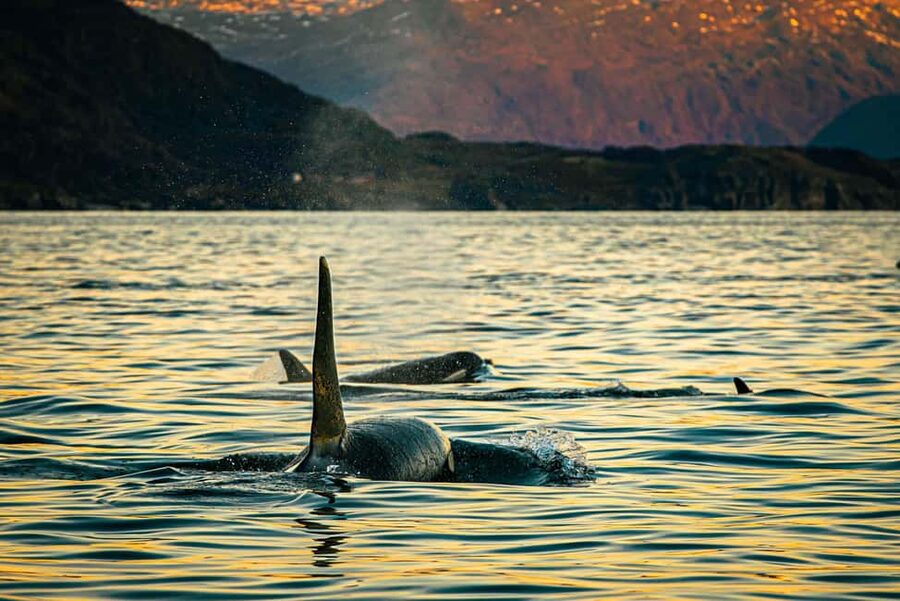
Killer whales are the headline animal for a reason. They’re social, dramatic, and often active when prey is nearby. On this tour, they’re one of the main targets, and you can get very close while still being kept at a safe, considerate distance.
What makes orcas feel special on the water is that you notice how organized they can be. In some outings, the timing lines up with feeding activity. That’s when the behavior becomes almost strategic. One sighting report described orcas working together as a team to catch fish, and that kind of coordinated hunting is the moment you’ll remember.
You’ll also get species-specific context from the guide. The tour description highlights that killer whales communicate with whistling and pulse sounds that humans can hear. That’s a rare detail you don’t get on every whale trip. Hearing it, and then linking it to behavior, makes the experience feel more than sightseeing. It feels like you’re watching communication in real time.
Color and pattern are another easy win. Killer whales have the black bodies and iconic white spots that stand out against the Arctic water, so even in fast moments you can keep track of individuals.
Humpback Whales: Jumps, Whale Song, and Unique Tail Fin Patterns
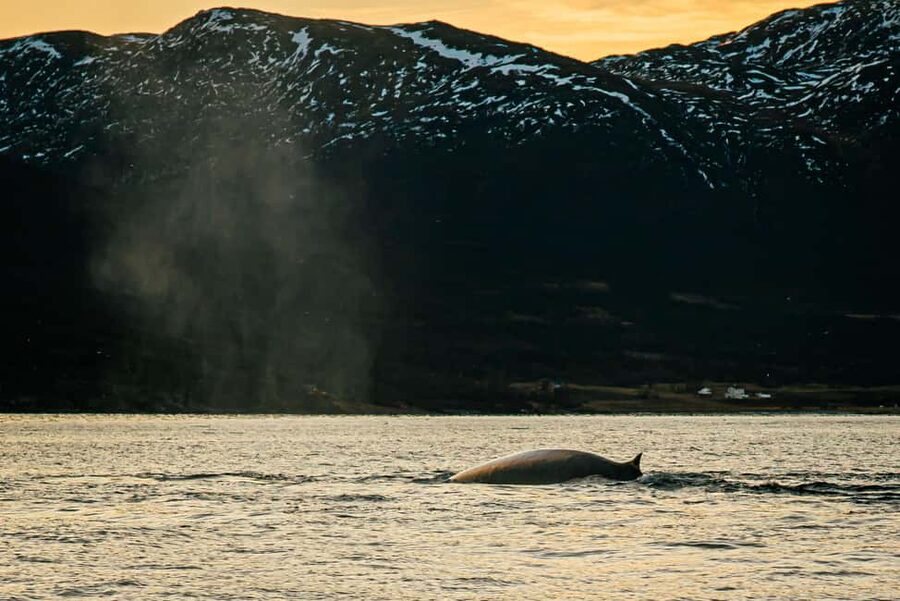
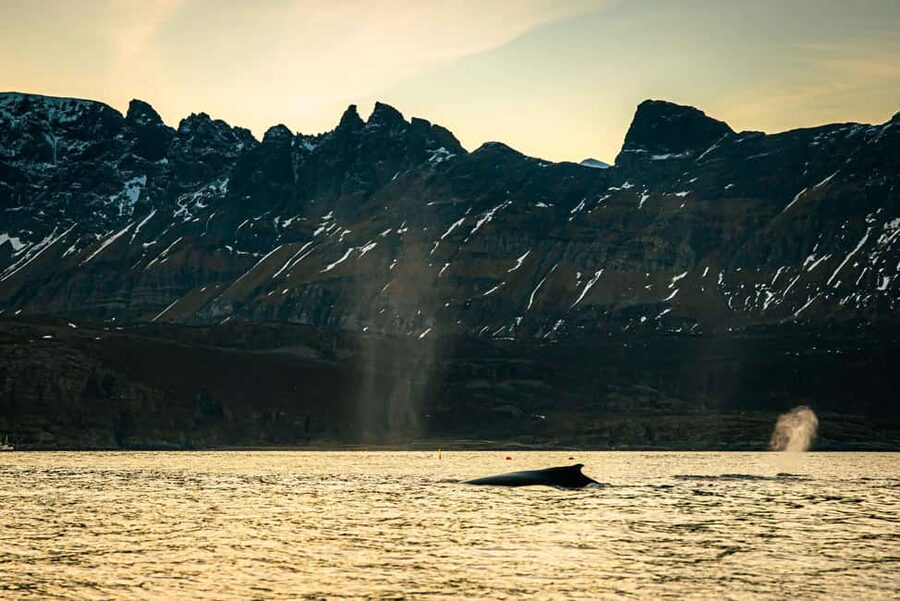
Humpbacks bring a different mood. They’re often alone or in small groups, and the behavior is less like a team and more like a show with its own rhythm.
On this tour, humpback whales are typically the other core target, and you can see:
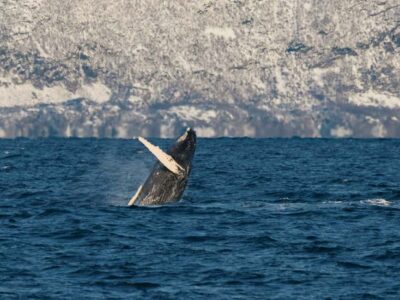
- spectacular jumps
- the distinctive sound of whale songs
- close-up views where body details matter
One of the best learning moments here is about individuality. Tail fins have unique patterns. That means if you spend time with humpbacks, you’re not just seeing an animal, you’re seeing a particular one with a recognizable marker. That detail makes the humpback experience feel more personal and less generic.
If the orcas are the “action engine,” humpbacks are the “music and movement” act. When you’re lucky enough to see both in one day, you get two very different kinds of Arctic wildlife energy.
Boat Ride Reality: Thrilling, Rough When Needed, Still Well Run
Let’s talk about the RIB ride honestly. This is not a calm, comfortable lake cruise. It’s fast and powerful. Several experiences described it as thrilling and “rock and roll” when there were waves.
The good news is that a well-run RIB trip can still feel safe and enjoyable. The setup is built for ocean conditions, and the guide’s job is to keep you oriented, not tossed around. In the accounts from past riders, the boat left right on time, and everyone had a view without feeling packed in a tiny space.
Group size is also a factor for comfort and photo opportunities. One report mentioned 12 people plus Viktor, which is small enough that you can still see the sea and not just other peoples’ shoulders.
One practical camera note again: spray is real. If you want photos, bring a method to protect gear. It’s a small thing that saves your day.
When Weather Turns Bad: How the Guide Handles It
Winter weather in Northern Norway is never fully predictable. Some outings were described as having terrible weather at the start, with uncertainty about whether the tour would go ahead.
Here’s what matters for your decision: the guide’s work is not passive. When conditions are rough and visibility is worse, the guide still keeps searching and repositioning. One example mentioned that within no time, the guide found killer whales even after bad weather threatened the plan, and then kept hunting until humpbacks were found too.
So if you’re planning this in winter, don’t treat it like a guaranteed wildlife show. Treat it like a chance at the Arctic’s best moments, with a professional approach that maximizes your odds.
Guide Viktor and the Style of Information You Actually Want
If you remember one name from this tour, make it Viktor. Multiple experiences specifically credited him for being welcoming, organized, and very focused on finding whales quickly.
What people seem to love most is not just that he speaks English or Norwegian, it’s the way he connects facts to what you see. He explains behavior, points out what matters in the moment, and keeps a safe distance that respects the animals.
There’s also a human side to it. Viktor gave warm drinks at the end in several accounts, and in at least one case he helped make the timing work better when whales were already active, including extending time to enjoy the orcas’ behavior.
Also note a practical limitation. One account mentioned that the boat setup can limit how much information the guide can share while you are underway. That’s a trade-off of riding on a small RIB with a lot of motion. When whales surface and the guide needs your attention, you’ll still get the essentials, but the trip may not feel like a classroom.
Value for Your Time: Why This RIB Setup Feels Worth It
Even without pricing here, I can tell you how this tour performs for value. You’re paying for:
- real time outdoors in Arctic conditions
- an active search strategy
- close viewing from a small RIB
- guide interpretation in English or Norwegian
- full winter gear including goggles and termo shoes
- warm drinks back at base
Compare that to bigger, slower options that can feel like you’re waiting for the bus to stop. Here, the boat’s speed and maneuvering matter. When whales show up, you’re positioned to actually watch behavior.
Also, the included equipment is a hidden value. If you’re visiting from warmer climates, buying winter gear in Norway is expensive and annoying. The fact that you’re provided the key pieces means you can pack lighter and focus on the experience.
Small Drawbacks to Plan For (So You Stay Happy)
This is one of those trips where the “perfect day” depends on conditions, and your comfort depends on your choices. Here are the main considerations pulled from real experiences:
1) Cold management is on you, too. Even with suits, gloves and a neck cover can matter a lot. If your hands or neck get cold, it ruins the later whale watching.
2) Sea state changes the ride. Expect a rougher ride when waves build. It’s fun for many people, but if you’re sensitive to motion, plan accordingly.
3) Crowding at the harbor location can happen. One account mentioned that multiple operators meet and leave around the same spot. That doesn’t ruin the tour, but it can make the start area feel busier than you expect.
4) Info sharing can be limited by boat layout. With 12 people aboard and ocean motion, the guide might not deliver long explanations while you’re underway. You’ll get the core info, but don’t expect a lecture.
Who Should Book This Whale Watching Trip From Skjervøy
This tour fits best if you:
- want a high-action winter boat ride rather than a slow cruise
- care about seeing killer whales and humpbacks with real guide interpretation
- like small-group experiences, since one account mentioned 12 people plus Viktor
- are comfortable dressing for cold and handling winter spray
It also makes sense if you’re based in Tromsø and want a specific Arctic day trip to Skjervøy. The bus option between Tromsø and Skjervøy helps, as long as you plan your return timing around your whale watch slot.
If you want a calm ride and you get motion sick easily, you should think twice. This is a RIB. It will move.
Should You Book the Skjervøy Killer Whale and Humpback RIB Tour?
Book it if you want one of the most memorable ways to experience northern Norway in winter. This tour is built around active searching, close encounters, and a guide who knows how to read what the whales are doing. The included gear, the small-group feel, and the warm end drink add up to good real-life value.
Don’t book it blindly if:
- you’re extremely sensitive to cold, and you don’t plan to bring good gloves and extra warmth
- rough boat rides would ruin the day
- you expect a super quiet, educational-only format. This is an ocean experience first.
If you’re aiming for killer whales, humpbacks, and a genuine Arctic thrill, this is a strong pick for your itinerary from mid-October to February.
FAQ
How long is the whale-watching tour?
The tour lasts 3 hours on the water.
Where do I meet for the Skjervøy RIB whale watching?
Meet at the backside of the old white building in the harbor, down the street from Ekstra (grocery store), at Strandveien 96. Coordinates: 70.02948760986328, 20.968090057373047.
What whales can I see on this tour?
The main targets are killer whales and humpback whales.
What months does the tour run?
The whale-watching season runs from mid-October to February.
What languages is the guide available in?
The live guide speaks English and Norwegian.
Is gear provided, or do I need to bring my own?
Warm outerwear, life jackets, hats, termo shoes, and goggles are provided. You should still dress warmly.
What should I do if I bring a camera?
Protect it from sea spray. One practical tip from past participants is to use a plastic bag.
Is it easy to get from Tromsø to Skjervøy?
There are daily bus trips between Tromsø and Skjervøy via Arctic Route, if you book the bus ticket separately.
Is the boat ride comfortable?
It is a thrilling RIB ride. Some departures can be rough due to waves, but seating is generally comfortable for a small group size.
Is there anything warm or food-related at the end?
Yes. Warm drinks were included in past experiences, such as hot chocolate (and cookies were mentioned).
Newest departures listed in Tromsø
- Tromsø:Northern light tour with mini bus i Tromsø★ 4.9 · 8 reviews
- Tromsø Sweet Temptations tour: afternoon tea & chocolates★ 4.8 · 5 reviews
- Tromsø: Sommarøy Islands Midnight Sun Tour★ 5.0 · 9 reviews
- Tromsø: City Walk & Polar Museum (Private or Shared)★ 3.7 · 3 reviews
- Tromsø: Snowshoeing in a small group with free photos★ 4.3 · 4 reviews
- Tromsø: Snowshoeing in Scenic Landscape★ 4.6 · 37 reviews
- Tromso: Scenic & Eco-Friendly Snowshoeing Tour★ 4.8 · 113 reviews
- Tromso: Sightseeing Cruise by Catamaran with Snacks & Drinks★ 4.4 · 21 reviews
Whale Watching & Orca Safaris, compared.
Silent Whale Watching by Hybrid-Electric Boat from Tromsø
Read our review →
24hr Northern Lights & Whale Watching Cruise
Read our review →
Orca and Whale Watching comfort heated boat Trip
Read our review →Browse the lists this tour appears in