Reviewed · WILDLIFE
Skjervøy: Birds and Wildlife of Arctic Norway
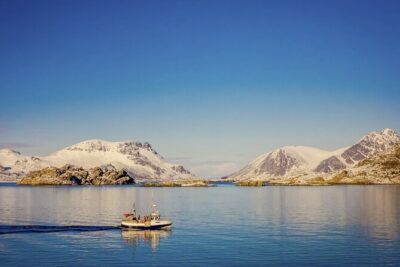
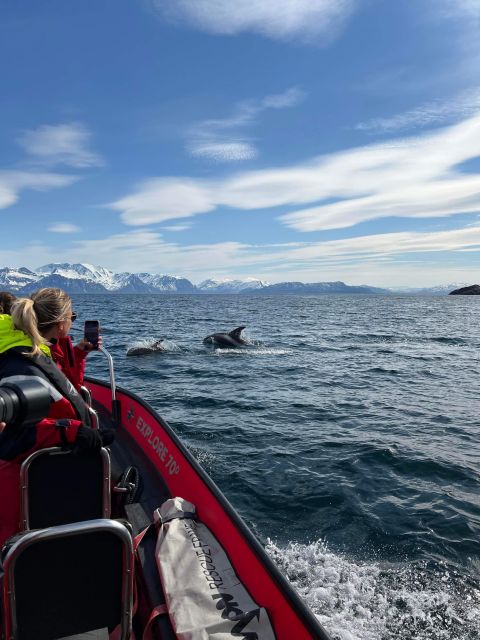
Skjervøy, Arctic Norway is one of those rare places where wildlife feels close, not staged. On this 3-hour rib boat cruise in the Barents Sea area, you’re out searching for white-beaked dolphins, seabirds, and the kind of Arctic drama that depends on weather and timing.
I love that this trip is run locally, with a small team that focuses on real spotting, not just “going out and hoping.” I also like that the operator holds a Varde-quality certificate for whale watching and provides serious cold-weather gear so you can actually enjoy the ride. One thing to plan for, sightings can vary, and winter and shoulder-season conditions can mean you get fewer animals on a given outing.
Key Highlights Worth Your Attention
- Varde-quality certified whale watching operator for higher assurance and safety standards
- Warm thermal suits, life vests, mittens, and goggles included, so you are not guessing what to pack
- Rib boat comfort and stability for a focused search for birds and marine mammals
- Year-round chances for white-beaked dolphins and harbor porpoise in local waters
- Seasonal bonus: in late January, the window for some traveling cetaceans can still show up
- Local Sami and Norwegian storytelling to give meaning to what you see, not just facts
Skjervøy Arctic Wildlife Cruise, How the 3 Hours Really Play Out
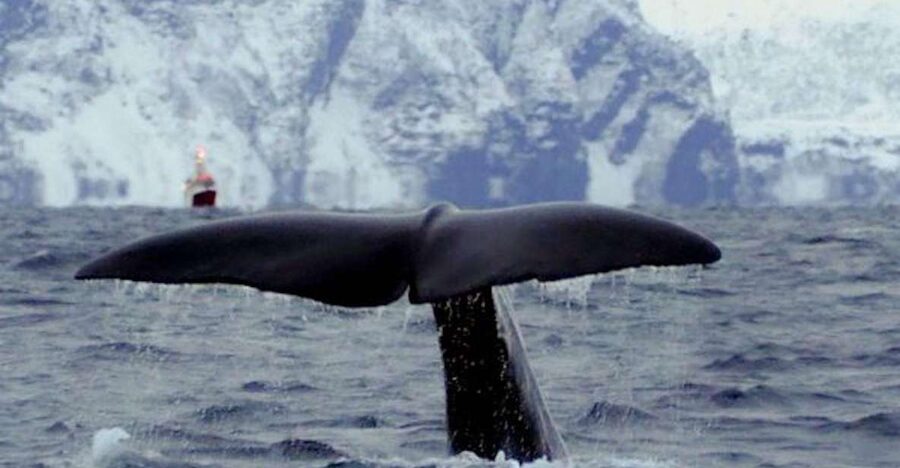
This is a short trip by design. In three hours you get a focused sweep through the fjords and coastal waters around Skjervøy, looking for wildlife and listening to local stories while the scenery slides by. The goal is not to cover a long route, it is to maximize your odds of spotting animals where they actually are.
You board the rib and settle in for the search right away. Your local guide leads the outing with an eye for birds in the air and animals on the water, plus checks for wildlife that may show up from land. The experience is also bilingual, with live guiding in English (and Norwegian skills from the team).
A key detail that matters for your enjoyment is the gear setup. When thermal suits, life vests, mittens, and goggles are included, you spend your time watching, not fiddling with layers that never work. That is what turns a cold Arctic boat ride into a comfortable wildlife hunt.
More Arctic wildlife trips near Tromsø:
- Tromso Snowshoeing – Valley, Fjord Views, Wildlife, Meal & Pickup
★ 5.0 · 398 reviews - Tromsø: Winter Sea Kayaking Tour with Wildlife Sightings
★ 4.9 · 333 reviews - Fjord, Mountain and Wildlife Tour
★ 4.5 · 229 reviews
Meeting at the Red Door and Getting Cold-Weather Ready Fast
Your adventure starts at the meeting point you are instructed to find: look for the red door and big windows with the activity provider name on it. The tour ends back at the same place, so you are not left wondering how to get home after the boat time.
Before you go out, take a moment to think about what warmth means on an Arctic water trip. Even with a thermal suit provided, you still want to wear warm base layers and head out dressed for wind and spray. The tour explicitly asks you to bring warm clothing, which is your best insurance for staying comfortable through the full 3-hour window.
This is also a practical trip if you hate surprises. You know it is 09:30 to 12:30, you know the boat time is real, and you know you will get the basic cold-weather protection. The “unknown” part is nature, not the planning.
The Rib Boat Search, Safe, Steady, and Built for Spotting
The heart of this experience is a cruising session on the fjords using a safe and steady rib. That matters because with wildlife watching, you want stability. You need a steady platform for spotting birds, scanning water lines for marine mammals, and catching those quick fly-bys that last seconds.
The guide leads the outing with attention to both safety and the rhythm of wildlife. The operator highlights that staff are unique in hosting and give attention to guests, and you feel that in the way this type of tour is run: you get guidance that helps you see more, not less.
You are out looking for a mix of animals:
- Marine mammals in the water (including dolphins and harbor porpoise as common targets)
- Birds in the air and on the water
- Occasional sightings of seals and otters
- Checks for land mammals like moose and reindeer
That mix is valuable because it keeps the experience moving. If dolphins are quiet, birds may still be active. If sea activity slows, you may catch movement along the coast.
Dolphins and Porpoise, the Wildlife You Can Expect Most Often
In these Arctic waters, the “most likely” sightings are not rare secrets. The resident wildlife you can count on includes white-beaked dolphins and harbor porpoise, both described as common to see in the local areas throughout the year.
That is a big deal for your expectations. Some wildlife trips feel like a single-species gamble. This one is built around species that often show up, so your time on the water has a chance of feeling rewarding even if the rarer animals do not appear.
You might also see seals and otters from time to time. These can be quick sightings, so the best way to get value is to stay alert and watch the water, not just the horizon. The guide’s job is to help you do that, and the boat setup plus included gear makes it easier to keep your attention where it matters.
Same stretch of Arctic coast, a different kind of day:
- Tromsø: Reindeer Sledding & Feeding with a Sami Guide
★ 4.8 · 6,417 reviews - Tromsø: Whale Watching Tour by Hybrid-Electric Boat
★ 4.5 · 4,217 reviews - From Tromsø: Aurora Borealis Tour
★ 4.8 · 4,206 reviews - Tromsø’s Top-Rated Fjord & Fishing Cruise – All-Inclusive
★ 4.7 · 4,017 reviews
Whale Watching Seasonality, Late January Still Has a Chance
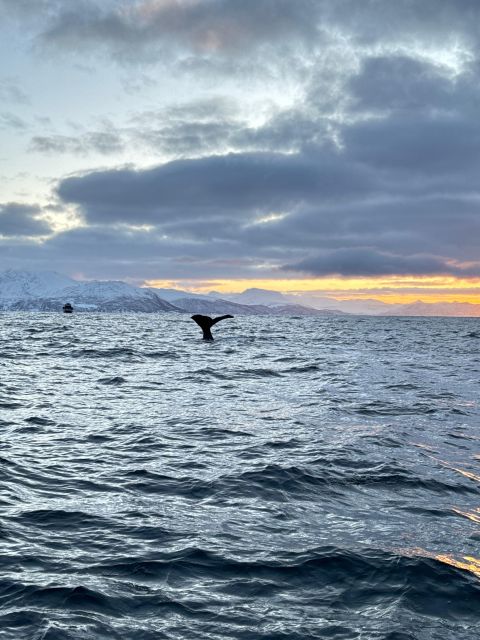
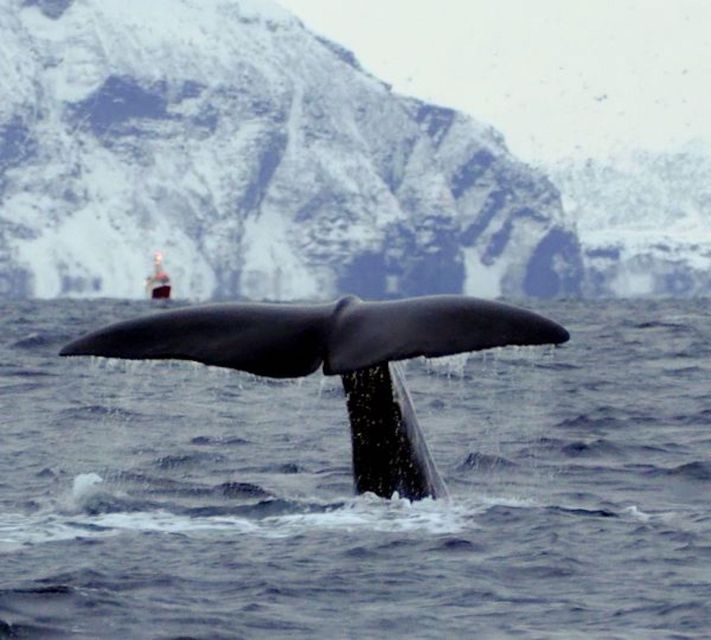
While this cruise is famous for dolphins and birds, the operator also keeps an eye on whales and other cetaceans. There is a specific seasonal note that helps you understand timing: in the end of January, after the winter whales finish feeding in the fjords around Skjervøy, whales can still be observed at times.
That includes possibilities like juvenile humpback whales and other traveling whales passing through the fjord system. This is not a promise, but it gives you real context. You are not only booking “whales might happen,” you are booking a tour timed to a period when some cetaceans may still move through.
If whales are your top target, plan to go with flexible expectations. In Arctic waters, animals can appear, disappear, and reappear. Your best strategy is to treat whale spotting as an added bonus to the dolphin and bird viewing that is more consistently available.
Birds Over the Fjord, What Makes This Watching So Satisfying
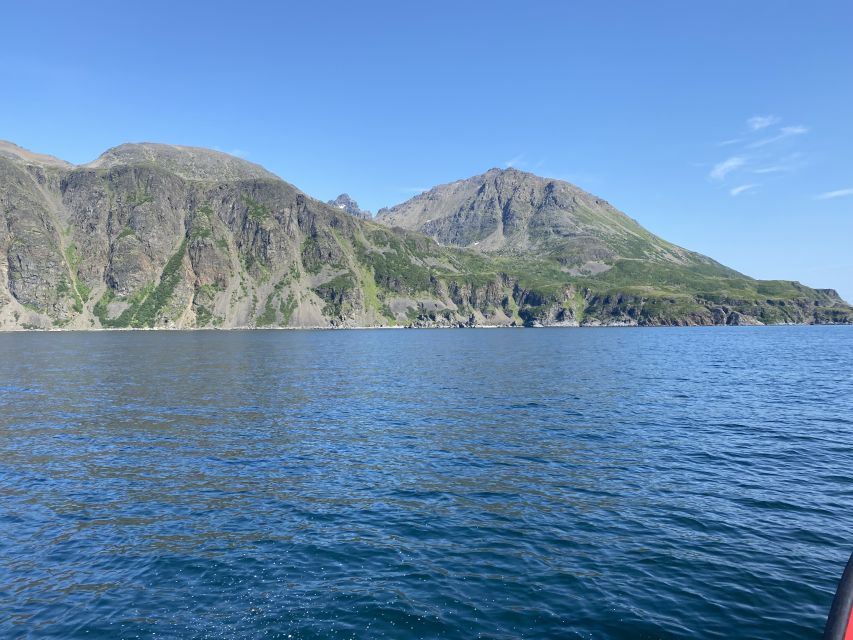
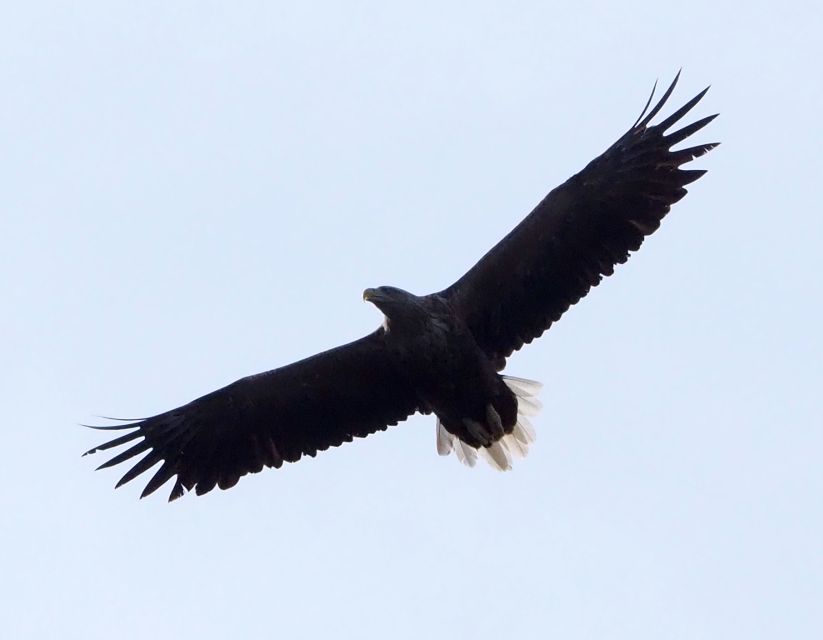
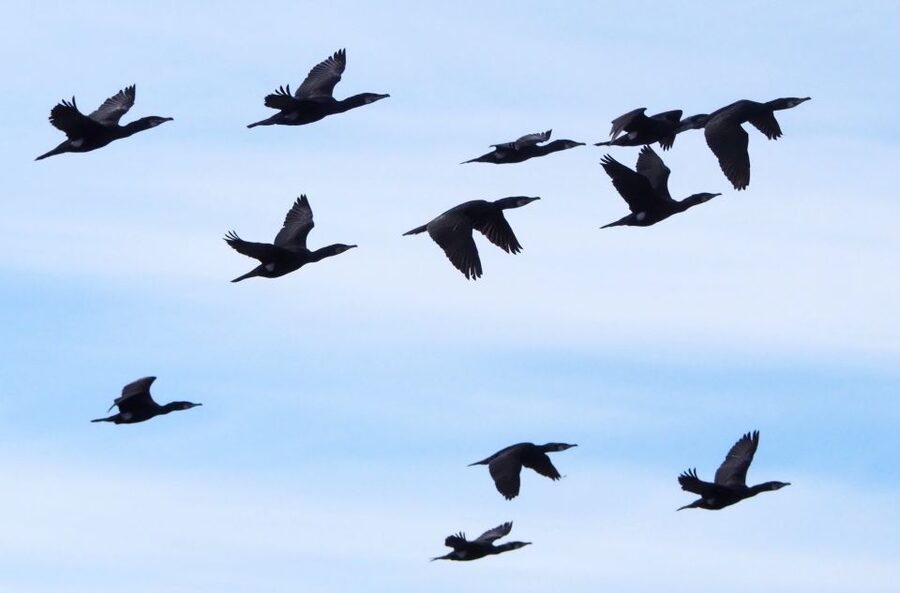
Bird watching is a main feature here, and it is not limited to one or two species. The guide keeps an eye on eagles and cormorants, and the tour explicitly calls them majestic in size and wing movement. Watching a large bird work the air currents over water is one of the most unforgettable parts of Arctic wildlife.
Expect other seabirds too, including:
- Puffins
- Guillemots
- Razorbills
- Little auks
- Arctic terns
- Ducks such as eider ducks and long-tailed ducks
One of the best practical takeaways is seasonal: birdlife is described as especially fascinating during spring and summer. If you want the richest variety of bird behavior, that seasonal window is what you should aim for.
Even when you are not naming every species, bird watching here still pays off because you get movement and variety. You see different silhouettes, different flight patterns, and birds using the sea like it is a highway.
Land Mammals From the Water, Moose and Reindeer Checks
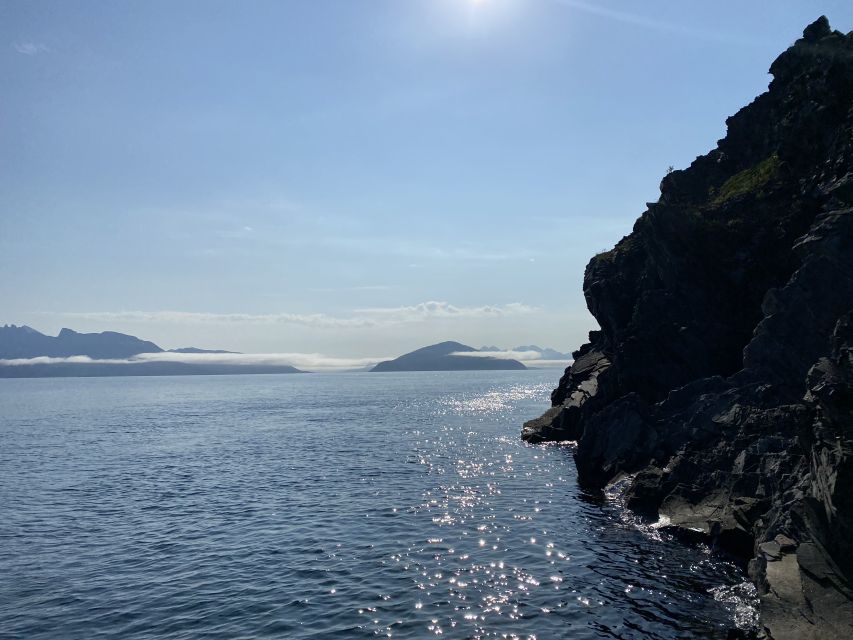
You are not only staring at the sea. The tour also keeps an eye on land for moose and reindeer, which are said to be commonly seen too. That means your guide will likely scan the shoreline during the cruise and watch for signs of animals close to the coast.
This can be a quiet type of spotting. Land mammals do not always show up on cue. But when they do, it adds a lot of emotional punch because it changes the whole “Arctic story” from water life to land life.
If you are the kind of traveler who likes the full Arctic mix, this helps. You get the chance to see marine mammals plus land animals in one focused half-morning outing.
Sami and Norwegian Culture Stories, Why They Matter Here
This is not a wildlife-only trip. The operator emphasizes story telling to introduce you to the land affected by countless generations of Sami and Norwegian people, along with culture and history connected to the region.
That matters because wildlife watching can feel like random luck if it stays purely visual. When a guide adds context, you begin to understand why certain places and seasonal changes matter to local people. You also get a sense of the human side of Arctic life, not just the animal side.
It is especially useful if you care about authentic travel. You are out in a real working region with a local anchoring in Skjervøy, and the guide’s role is to connect the dots between what you see and the people who have lived with these conditions for a long time.
Gear and Comfort, What’s Included and What You Still Need
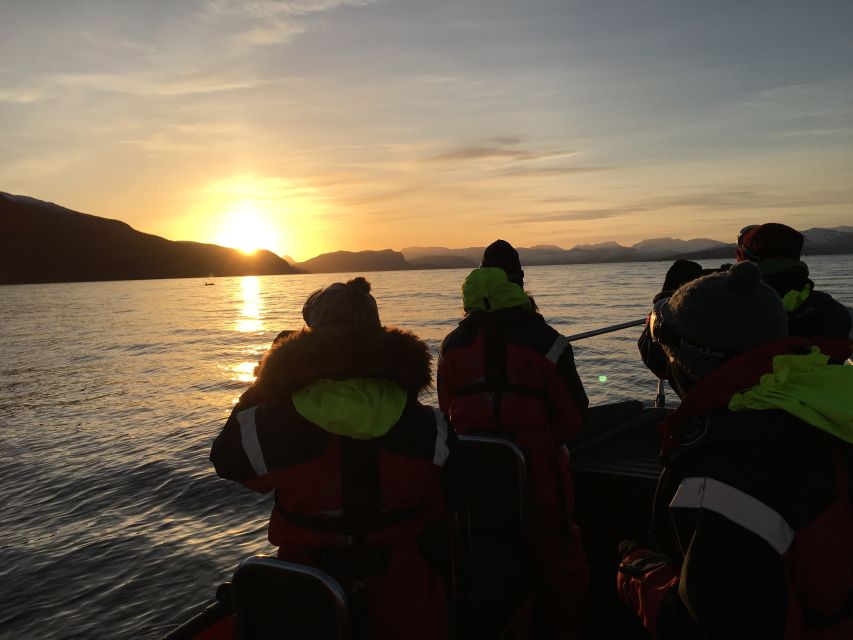
The included cold-weather and safety items are a major part of the value. You get:
- Thermal suits
- Life vests
- Mittens
- Goggles
- An educated and professional local guide in Norwegian and English
This setup is designed to protect you from wind chill and spray, which is usually the limiting factor on Arctic boat tours. It also makes the experience more equal. You do not need to show up with specialty gear to enjoy the ride.
What you still need is basic common sense warmth. The tour says to bring warm clothing, and that is good advice. Wear layers that work under a thermal suit, keep your head and neck warm, and avoid cotton that stays damp.
The rules are also clear: intoxication and alcohol or drugs are not allowed. That is not only for safety. It helps keep the experience focused and comfortable for everyone on board.
Price and Value at $165, When This Feels Like a Smart Buy
At $165 per person for about 3 hours, this is not a cheap outing. The question is whether it is good value for your specific goals.
Here is why it can feel worth it:
- You get serious cold-weather gear included, so you are not paying extra or guessing what will work
- The guide is professional and local, and wildlife spotting depends heavily on skilled scanning
- The whale watching quality certification is a real differentiator for peace of mind
- The mix of dolphins, birds, and potential land mammal sightings gives your time multiple ways to pay off
The main reason it might not feel like value is simple: wildlife is not guaranteed. If you want a 100 percent chance of a specific animal, no Arctic operator can truly promise that. Your value comes from likely sightings like white-beaked dolphins and harbor porpoise, plus birds that can be active even when marine mammals are quiet.
Also remember that transport back and forth to Tromsø is not included. So your true trip cost depends on how you handle that segment. Still, once you are at the starting point, you get a polished, gear-supported wildlife experience.
Who Should Book, and Who Might Want Another Option
This tour is a good match if you want:
- A short, well-run Arctic wildlife cruise
- Real chances for white-beaked dolphins and harbor porpoise
- Strong bird watching with species like puffins, guillemots, and arctic terns
- Culture and history context through Sami and Norwegian storytelling
It is also a good fit for travelers who prefer safety and comfort over “roughing it.” The rib setup, safety equipment, and guided experience are built for a steady experience in cold conditions.
On the flip side, it is not suitable for:
- Children under 6 years
- People with back problems
Wheelchair accessibility is listed, which is a helpful check if mobility needs are part of your planning. That said, if you have any medical concerns, confirm with the operator before booking.
Final Call, Should You Book Skjervøy Birds and Wildlife?
If your dream trip includes Arctic wildlife with a real chance of seeing dolphins and a strong shot at birds, I think you should book. The combination of included thermal suits, a locally run guide team, and whale watching certification gives you a sturdier foundation than most “wildlife by luck” tours.
Choose this especially if you can match the timing to your interests. Dolphins and harbor porpoise are common year-round, so you are not stuck waiting for a single season. If you are traveling at the end of January, keep an eye on the chance of traveling whales passing through, including juvenile humpback whales at times.
Just go in with one clear mindset. Your success comes from the process, not a guarantee. When you treat the trip as a guided search, with warmth taken care of and local stories added, Skjervøy can deliver exactly the kind of Arctic magic you came for.
FAQ
What is the duration of the Skjervøy birds and wildlife trip?
The trip lasts 3 hours, with a stated time window of 09:30 to 12:30.
How much does it cost?
The price is $165 per person.
What animals and birds can you look for?
You search for white-beaked dolphins and harbor porpoise as common sightings, plus the possibility of seals and otters. Bird targets include eagles, cormorants, puffins, guillemots, razorbills, little auks, arctic terns, and ducks such as eider ducks and long-tailed ducks. The guide also keeps an eye on land for moose and reindeer.
What is included in the tour price?
Included are safety equipment, thermal suits and life vests, mittens, goggles, and an educated local guide with Norwegian and English skills.
What should I bring?
Bring warm clothing. Even with provided gear, staying comfortable in Arctic conditions is easier when you dress for cold.
Is the tour wheelchair accessible?
Yes, wheelchair accessibility is listed.
Are alcohol or drugs allowed?
No. The tour states that intoxication, alcohol, and drugs are not allowed. The guide provides live English language guiding.
Newest departures listed in Tromsø
- Tromsø:Northern light tour with mini bus i Tromsø★ 4.9 · 8 reviews
- Tromsø Sweet Temptations tour: afternoon tea & chocolates★ 4.8 · 5 reviews
- Tromsø: Sommarøy Islands Midnight Sun Tour★ 5.0 · 9 reviews
- Tromsø: City Walk & Polar Museum (Private or Shared)★ 3.7 · 3 reviews
- Tromsø: Snowshoeing in a small group with free photos★ 4.3 · 4 reviews
- Tromsø: Snowshoeing in Scenic Landscape★ 4.6 · 37 reviews
- Tromso: Scenic & Eco-Friendly Snowshoeing Tour★ 4.8 · 113 reviews
- Tromso: Sightseeing Cruise by Catamaran with Snacks & Drinks★ 4.4 · 21 reviews
Wildlife, compared.
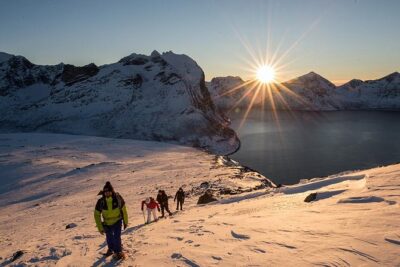
Tromso Snowshoeing – Valley, Fjord Views, Wildlife, Meal & Pickup
Read our review →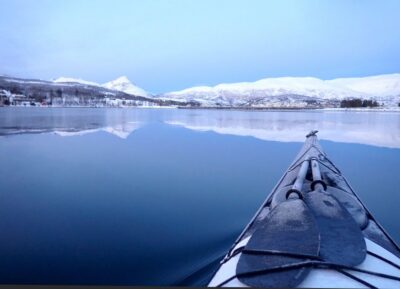
Winter Sea Kayaking Tour with Wildlife Sightings
Read our review →
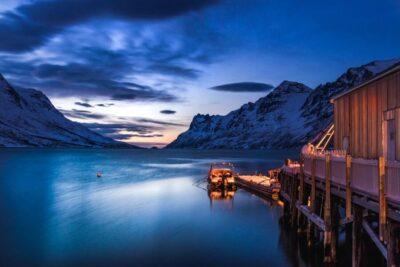
Arctic Wildlife & Fjord Sightseeing Tour by Car
Read our review →